Français
 Nederlands
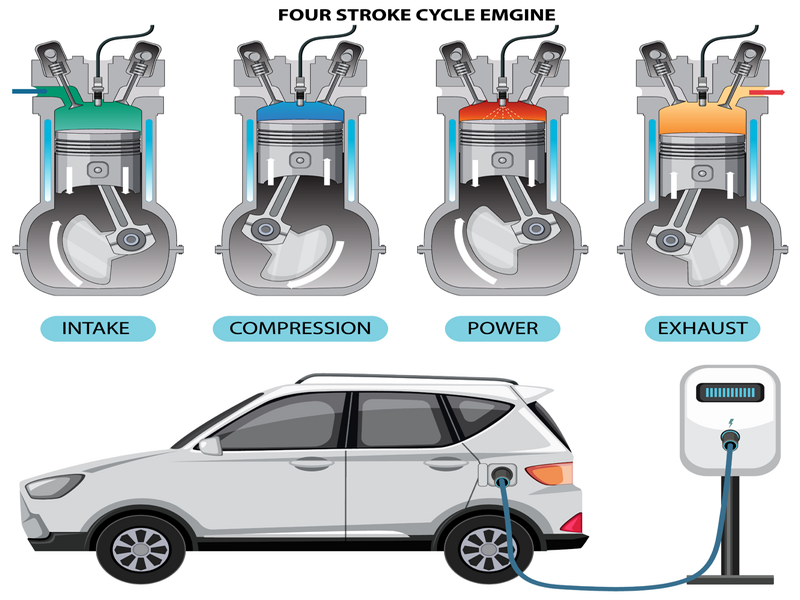
The Fundamentals of Internal Combustion
At its core, a car engine serves as a sophisticated machine designed to convert chemical energy from fuel into mechanical motion. Most vehicles rely on an internal combustion process, where small, controlled explosions occur within sealed cylinders to generate power. This cycle typically follows a four-stroke pattern known as the Otto cycle, which includes intake, compression, power, and exhaust phases. During the intake stroke, a mixture of air and fuel is drawn into the cylinder as the piston moves downward. Once the intake valve closes, the piston rises to compress the mixture, making it highly volatile and primed for ignition. This transformation of energy is a masterpiece of engineering that allows modern transport to function with remarkable efficiency, precision, and reliability across various driving conditions worldwide.
The heart of the system is the crankshaft, which translates the linear movement of the pistons into rotational energy. As the spark plug ignites the pressurized mixture, the resulting explosion forces the piston back down, providing the necessary torque to turn the crankshaft. This motion is then transferred through the transmission system to the wheels. Throughout this sequence, the engine must manage extreme heat and pressure, requiring specialized lubricants and cooling systems to prevent mechanical failure. By understanding these fundamental movements, one can appreciate the complex mechanical symphony occurring under the hood every time the ignition is turned, representing decades of automotive development and industrial innovation aimed at maximizing performance while minimizing fuel waste.
Refining the Power Output and Efficiency
Beyond the basic mechanics of movement, modern engines incorporate advanced computer systems to monitor and optimize performance. Sensors track oxygen levels, temperature, and throttle position to ensure the ideal air-fuel ratio is maintained. This level of efficiency is vital for reducing emissions and extending the lifespan of internal components. The process is further enhanced by sophisticated valve timing, which dictates exactly when the intake and exhaust valves open and close relative to the piston position. By manipulating these variables, engines can produce significantly more power from smaller displacements, a trend commonly referred to as downsizing. This strategic engineering evolution enables vehicles to meet rigorous environmental standards without sacrificing the driving experience or acceleration capabilities expected by consumers.
The role of the piston is central to maintaining high internal pressure, which is effectively sealed by rings to prevent energy leakage. As technology advances, lightweight materials like aluminum alloys and advanced ceramics are being utilized to reduce engine weight and friction, further improving fuel economy. Additionally, modern fuel injection systems deliver precise amounts of fuel directly into the chamber, which is a massive leap forward from the older carburetor designs. Every aspect of the motor, from the ignition coil to the complex timing chains, must operate in perfect harmony to ensure longevity. Ultimately, the internal combustion engine remains a remarkable achievement of human ingenuity, continuously refined to meet the ever-growing demands of safety, sustainability, and technological integration in the contemporary automotive market.
The Future of Propulsion Systems
As the automotive industry shifts toward sustainable energy, the engine as we know it is undergoing its most significant transformation since its inception. While the traditional combustion model continues to be refined through hybridization, there is an undeniable trend toward total electrification. Electric motors offer a different paradigm, replacing cylinders and pistons with magnetic fields and batteries to generate torque. This shift promises lower maintenance costs and zero tailpipe emissions, fundamentally changing how we perceive automotive power. However, for many drivers, the visceral experience of a high-performance combustion engine remains an integral part of vehicle ownership, ensuring that research into alternative fuels like synthetic hydrocarbons continues alongside battery development efforts.
Even as electrification gains market share, the foundational physics involved in transmission of power remain relevant in various forms of mechanical engineering. The challenge for future designers is to balance the reliability and power density of legacy systems with the demand for cleaner, more sustainable energy sources. Whether through hydrogen fuel cells or highly optimized thermal engines, the ultimate goal remains the efficient translation of energy into motion. We are currently witnessing a transitional era where the combustion cycle exists alongside digital propulsion, marking a turning point in history that will be defined by how effectively engineers integrate these disparate systems to create a cleaner, more efficient future for personal mobility and global logistics across all continents.